
Homeowners’ Guide to Storm Drains
Storm drains remove excess water from homes and businesses, connecting our neighborhoods to local rivers. Regular maintenance helps keep them working optimally and prevents trash and nutrients from reaching downstream areas.
Winter Months
- When shoveling snow, avoid placing it over storm drains. If a storm drain is blocked by snow, ice, or debris, clear it with a shovel. This prevents backups and slippery conditions and supports healthier waterways.
- Do not apply sand, salt, or deicers near storm drains. These materials wash into rivers, potentially harming water quality. If you see sand or salt near a storm drain, sweep it up!

Spring and Summer
- Sweep excess fertilizer from sidewalks so nutrients remain on your lawn and do not enter storm drains.
- After mowing, use a broom or leaf blower to sweep grass clippings from sidewalks and roads back onto your lawn. This improves curb appeal and keeps yard waste out of storm drains.
- Pick up any trash to prevent it from entering storm drains.

Fall
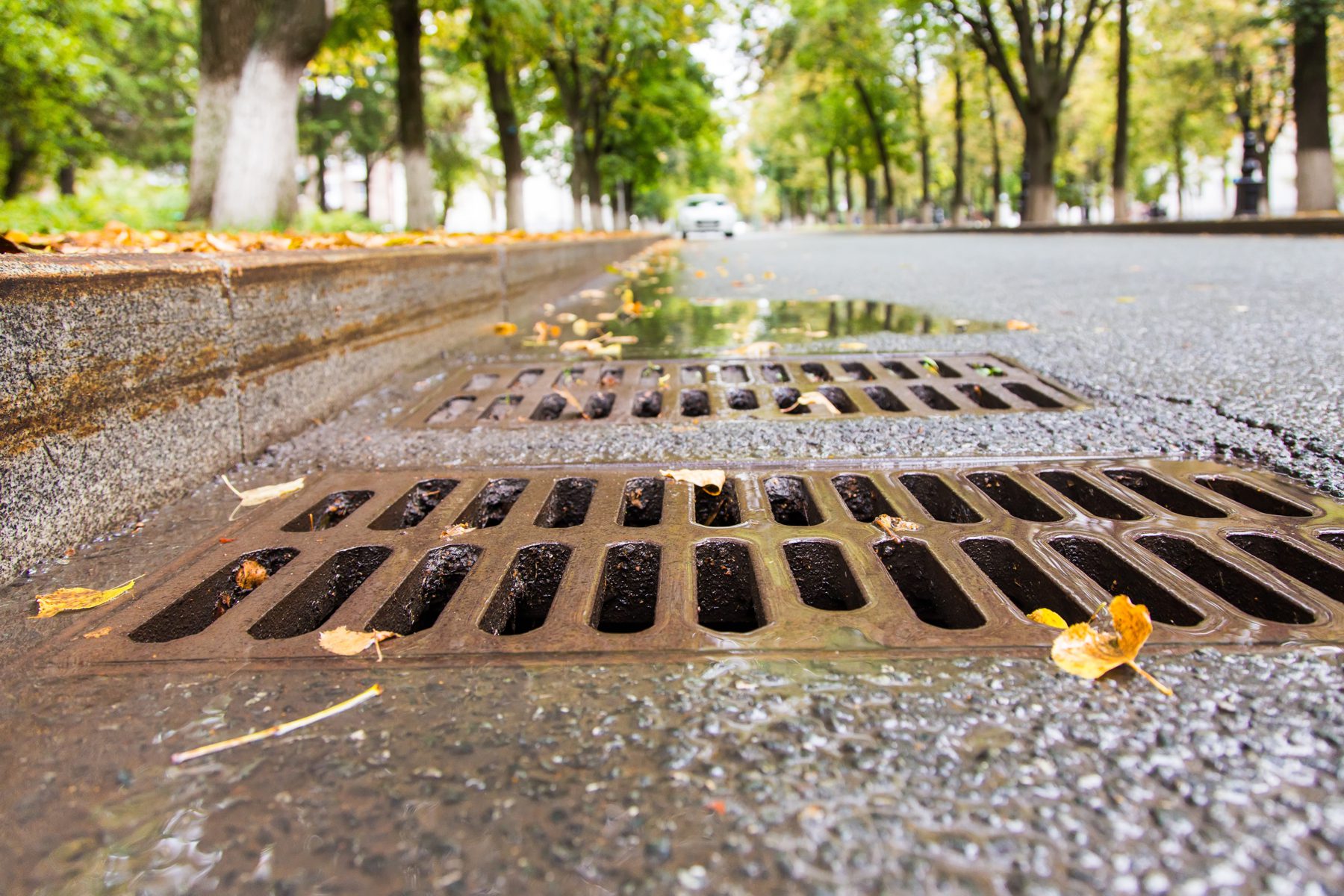
- Leaves can block storm drains when blown by wind, carried by stormwater, or raked there by homeowners. No matter how they get there, we need to remove them. When leaves create barricades around, on, or in storm drains, the drains cannot do their jobs, causing localized flooding. This flooding can create serious problems for people trying to walk, bike, or drive safely.
- Leaves in storm drains release excess nutrients into rivers. Instead, mulch or compost leaves for use in gardens and landscaping next year.

The Bottom Line
Simple steps around your storm drains can make a big impact for local waterways and neighbors downstream.